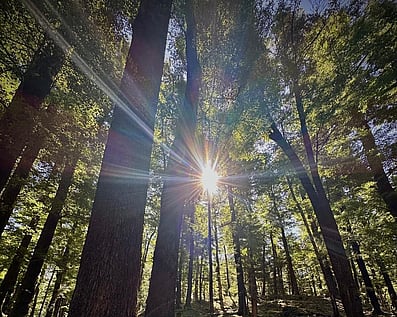
The Forest FloorA hidden network
The "Living Landscape"
There are places in Aotearoa where the scenery feels dramatic.
And then there are places where the land feels alive.
Our walks move through one of the rarest intact mountain ecosystems left in the world — a landscape shaped by ice, water, wind, and time, where every plant grows slowly and every disturbance lasts.
This is not wilderness that recovers quickly.
It is a living system that remembers footprints.
Our role as guides is not simply to lead the way, but to help you notice what is already happening around you — the quiet interactions most people pass by.
A journey through
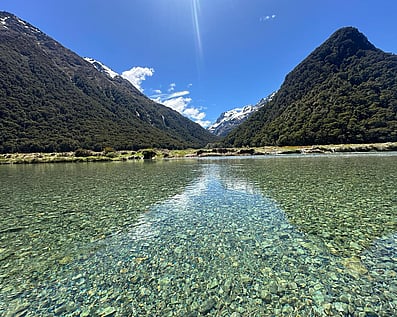
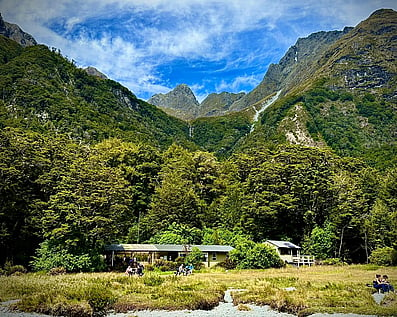
Forest, River and Subalpine terrains
Wildlife encounters — on nature's terms
We don’t track animals.
We create the conditions where they feel safe to remain visible.
Native birds survive by conserving energy. Sudden movement, loud voices, or leaving the track tells them to disappear. Calm walking tells them to continue feeding.
Every walk is different — but stillness is always rewarded.
How we protect the places we visit
Guiding here comes with responsibility.
Small habits make the largest difference.
Before each walk we check footwear and gear to prevent seed spread between valleys.
We keep group sizes small so the landscape stays quiet. We pause often — not just for rest, but to give wildlife space.
We are tidy Kiwis and always take our litter with us! And there are plenty of toilet stops to honour our "poo in a loo" ethos!
The goal is simple:
"Leave no Trace"
Giving back to the track
Every guest who walks with ECOTRAILS contributes directly to conservation.
For each person on a guided walk, we donate $1 to the Routeburn restoration work carried out through the NZ Nature Fund supporting habitat protection and predator control in the valley.
Walking here should help the place improve it's biodiversity not reduce it!
Moments you might notice along the way
Every walk unfolds differently, but there are small patterns the landscape often reveals when we slow down.
A forest that sounds empty — until it isn’t
We pause for a minute without speaking. Gradually movement returns: leaves shift, insects resume, and birds begin feeding again. The forest was never quiet — we were just too loud at first.
Why trees grow on fallen trees
A moss-covered log becomes a nursery bed, lifting seedlings above the cold wet soil. The forest grows from its own past.
The wind line in the valley
Where plants suddenly change height, showing where winter snow sits for months each year.
A river that rewrites the track
Fresh stones, clean sand, and bent grasses show where water travelled during the last storm — sometimes nowhere near the current channel.
Tiny plants older than people
Lichens and cushion plants that may have grown for decades in the space of a handprint.
Bird behaviour rather than bird spotting
Instead of searching for wildlife, we wait — and watch how feeding patterns reveal where insects live.
Why this matters.
We don’t aim to list everything you’ll see.
We aim to help you notice what most people walk past.
Once you see these patterns, landscapes stop feeling like scenery — and start feeling alive.
ECOTRAILS
ECOTRAILS operates in accordance with Department of Conservation concession requirements, and we follow Leave No Trace and minimal impact guiding principles, aligned with our Tiaki Promise.

Contact
+64 211962316 - Angelo
WhatsApp (click to chat) here://wa.me/64211962316